Monday, July 14, 2025

liquid fertilizer

STEPS HOW TO MAKE :
Liquid Fertilizer at Home
-Gather plant waste (leaves, grass clippings, etc.).
-Add kitchen scraps like vegetable peels, eggshells, and leftover food.
-Have a large plastic drum or container and water ready.
Preparation:
-Fill the drum halfway with organic waste.
Add enough water to submerge the materials.
Stir the mixture thoroughly.
Fermentation:
-Cover the drum loosely to allow airflow.
-Place it in a shaded area.
-Let it ferment for 2–3 weeks, stirring every few days.
Straining:
-After fermentation, strain the liquid using a sieve or cloth.
-Collect the liquid fertilizer in bottles.
Application:
-Dilute the fertilizer (1 part fertilizer to 10 parts water).
-Use it to water plants for healthy growth.


STEPS HOW TO MAKE :
Liquid Fertilizer at Home

-Gather plant waste (leaves, grass clippings, etc.).
-Add kitchen scraps like vegetable peels, eggshells, and leftover food.
-Have a large plastic drum or container and water ready.

Preparation:

-Fill the drum halfway with organic waste.
Add enough water to submerge the materials.
Stir the mixture thoroughly.

Fermentation:

-Cover the drum loosely to allow airflow.
-Place it in a shaded area.
-Let it ferment for 2–3 weeks, stirring every few days.

Straining:

-After fermentation, strain the liquid using a sieve or cloth.
-Collect the liquid fertilizer in bottles.

Application:

-Dilute the fertilizer (1 part fertilizer to 10 parts water).
-Use it to water plants for healthy growth.


best Companions

the best companion plants for tomatoes and peppers, promoting healthier growth and better yields. It suggests growing basil, lettuce, spinach, beans, carrots, and nasturtium alongside these vegetables. Basil enhances the flavor and growth of tomatoes and peppers, while lettuce benefits from their shade. Spinach thrives in similar conditions and can help deter pests, while beans fix nitrogen in the soil, enriching the environment for tomatoes and peppers. Carrots grow well near tomatoes, and nasturtium serves as a natural pest repellent, protecting tomatoes and peppers from aphids and other insects. This guide is helpful for gardeners looking to optimize plant relationships in their garden beds.

clove

How to Grow a Clove Plant at Home
Growing a clove plant from scratch is a rewarding experience for home gardeners. With patience and the right conditions, you can cultivate your own spice-bearing tree right from clove seeds (dried flower buds).

🧰 What You’ll Need
Whole cloves with intact buds (not fully dried or roasted)

A small bowl of water

A seedling tray or small pots with rich, well-draining soil

A spray bottle for watering

A warm, humid location with indirect sunlight

🪴 Step-by-Step Instructions
1. Choose Viable Cloves
Select whole, unroasted cloves that still have a visible seed (slightly bulbous tip). Avoid highly dried or brittle ones, as they won’t germinate.

2. Germinate the Seeds
Place the selected cloves in a small bowl of water.

Let them soak for 24 hours to rehydrate.

After soaking, wrap the cloves in a moist paper towel and place it in a warm area.

Within 7–14 days, some cloves should begin to sprout small roots.

3. Plant the Sprouted Seedlings
Fill a small pot or seedling tray with loamy, fertile soil.

Plant the sprouted clove about 1–1.5 cm deep, root tip facing down.

Gently water the soil to keep it moist, not soggy.

4. Provide Proper Care
Place the pot in a warm, partially shaded location (avoid direct sunlight).

Maintain humidity by misting regularly or covering with a clear plastic dome.

Keep soil consistently moist but not waterlogged.

5. Ongoing Maintenance
As the seedling grows (in a few weeks), transplant to a larger pot if needed.

Apply a balanced liquid fertilizer monthly.

Clove trees are slow growers—be patient. They can reach 6–8 feet when mature in pots.

🌼 Tips for Success
Cloves are tropical—warmth and humidity are crucial.

Germination is not always 100%—try multiple seeds for better results.

Avoid overwatering to prevent root rot.

You may need to wait 6+ years before a clove tree produces flower buds.

pests

🌿🐛 Garden Pests: Know the Culprits & Repel Them Naturally 🚨✨

🕵️‍♂️ Common Invaders:
• Aphids – Sap suckers that slow plant growth
• Caterpillars – Leaf munchers on a mission
• Grasshoppers – Devour foliage fast
• Scale Insects – Sneaky sap drainers
• Stink Bugs – Damage veggies & spread disease
• Mites – Cause yellowing and leaf drop
• Slugs & Snails – Chew tender young shoots

✨ Natural Defense Tactics:
Spray garlic water or diluted vinegar
Grow pest-repelling plants like basil, mint, and lavender
Attract ladybugs—they feast on aphids
Water early in the day to reduce excess moisture

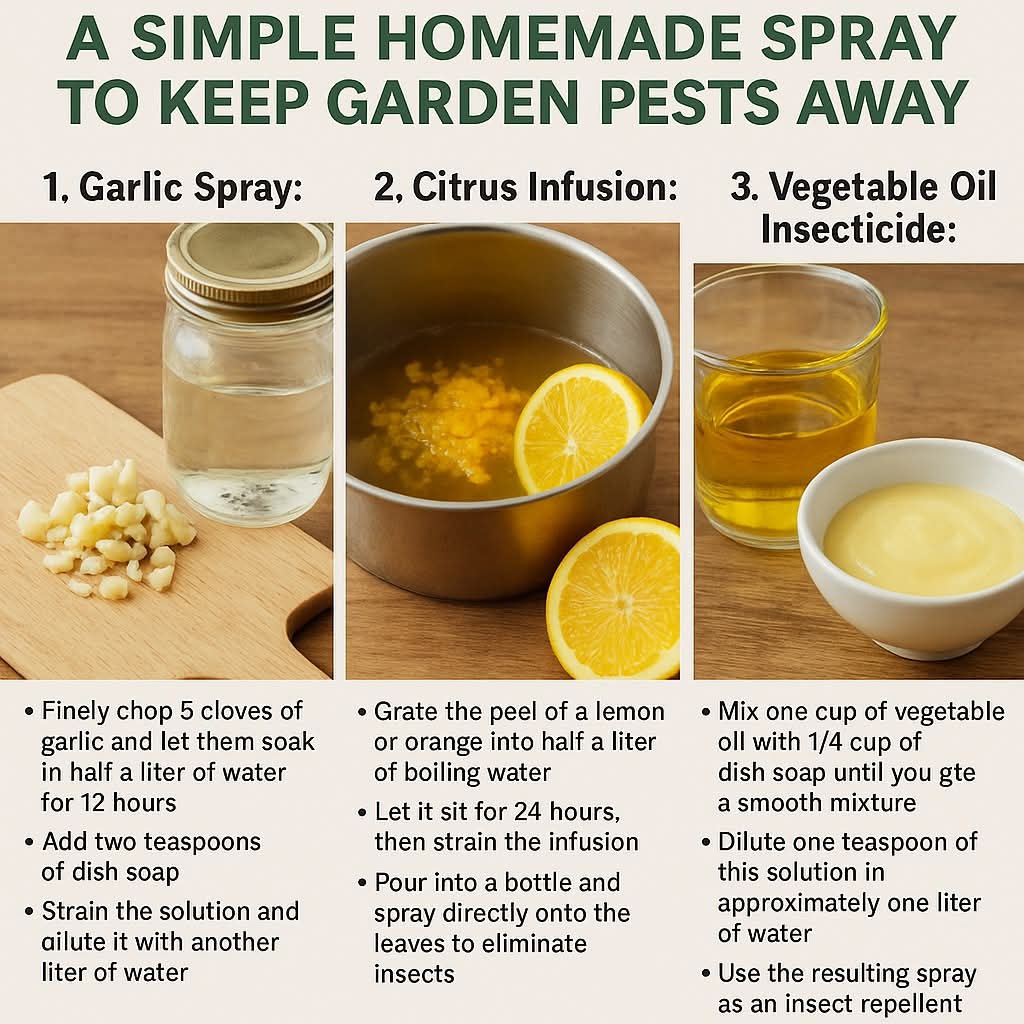
homemade spray

A simple homemade spray to keep garden pests away 🌿
1. Garlic Spray:
- Finely chop 5 cloves of garlic and let them soak in half a liter of water for 12 hours.
- Add two teaspoons of dish soap.
- Strain the solution and dilute it with another liter of water.
- Fill a spray bottle and spray the mixture on your plants.
2. Citrus Infusion:
- Grate the peel of a lemon or orange into half a liter of boiling water.
- Let it sit for 24 hours, then strain the infusion.
- Pour into a bottle and spray directly onto the leaves to eliminate insects.
3. Vegetable Oil Insecticide:
- Mix one cup of vegetable oil with 1/4 cup of dish soap until you get a smooth mixture.
- Dilute one teaspoon of this solution in approximately one liter of water.
- Use the resulting spray as an insect repellent.
These methods are effective and environmentally friendly, ideal for protecting your plants without resorting to chemical pesticides.

tongue signs


👅 What Your Tongue Color Says About Your Health!
🔴 Bright Red
May signal heart disorders or blood diseases. It’s best to check in with your doctor if your tongue turns unusually red!
🌸 Light Pink
The ideal, healthy tongue color. Keep up the good work and stay hydrated!👇👇😵😱

ghee

Ghee is one of Ayurveda’s most sacred and healing superfoods. It supports digestion, brain health, skin glow, and even emotional well-being. From bedtime tonics to face masks, ghee offers benefits inside and out. It’s also known to build ojas—the body’s vital essence. Start with a teaspoon a day and feel the golden goodness. ✨🧈